

If your dog barks at the doorbell, at other dogs, or seemingly at nothing, you have probably asked: why do dogs bark? It is one of the most common questions dog owners ask that “why do dogs bark?”.
If you want to understand why do dogs bark, here is the simple truth.Dogs do not bark to annoy you. Barking is how they talk. It is their way of saying, “I am excited,” “I am scared,” “I need something,” or “Hey, look over there.”
The problem starts when barking becomes excessive, hard to stop, or stressful for your family or neighbors. The goal is not to silence your dog completely. The goal is to understand why your dog is barking, meet the need behind it, and teach a calmer response.
In this guide, you will learn why dogs bark, what different barks usually mean, and a practical plan to help your dog bark less at home and on walks.
What Barking Really Means and Why Do Dogs Bark?
To understand why do dogs bark, think of barking like a human voice. The same person can laugh, shout, or whisper, and each sound means something different. Dogs are similar.
A bark can be short and sharp, long and repeated, high pitched, or low and deep. Body language matters just as much as sound. A relaxed body with a wagging tail usually means something very different from a stiff body, raised fur, and a fixed stare.
That is why the first step is not a command. It is observation. Before you change anything, watch when your dog barks, where it happens, and what happens right before and right after.
Ask yourself three quick questions. When does the barking start? What is your dog looking at? Does it stop when something changes, like when you open the door? Your answers will point you to the cause, and the cause will point you to the right fix.
7 Common Reasons Why Dogs Bark
Below are the 7 most common answers to the question, why do dogs bark?
1. Alert and Territorial Barking
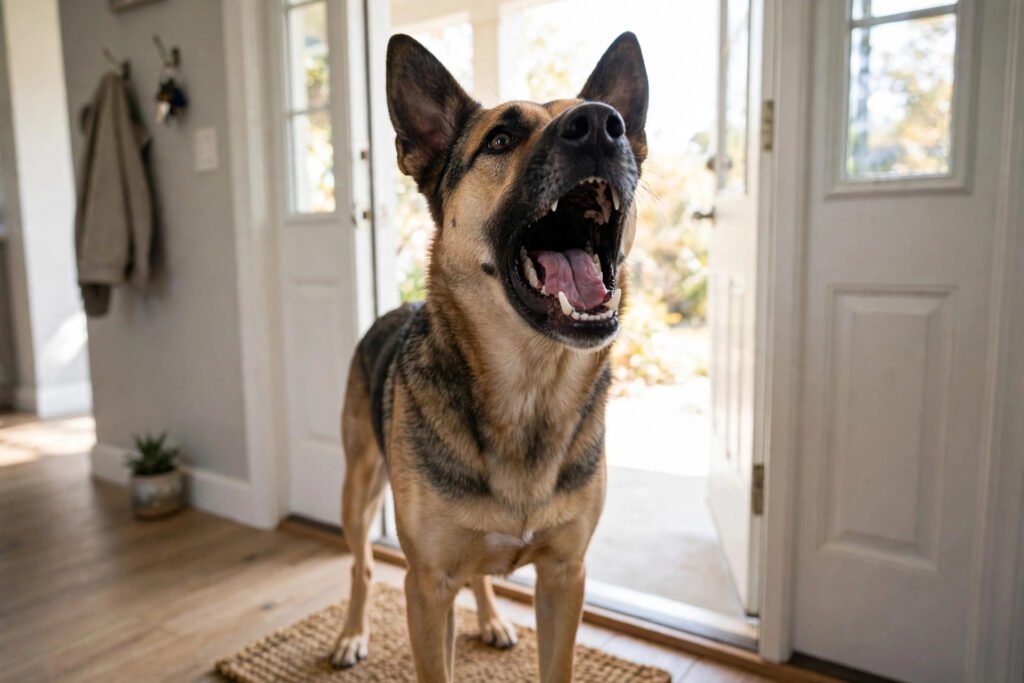
This is the classic doorbell bark. Your dog hears a sound or sees a person near the house and barks to alert you. Many dogs were bred to guard homes, so alert barking feels natural to them.This is one of the clearest examples of why do dogs bark to protect their home.
It often sounds confident and repeated. Your dog may run to the window, stand tall, and bark until the person leaves. Here is the tricky part. When the postman leaves, your dog may think its barking worked. That reward makes the behaviour stronger next time.
2. Excitement and Play Barking
Some dogs bark because they are happy and cannot contain it. You will see this during play, before a walk, or when a favourite person comes home. Excitement barking is usually higher pitched and paired with jumping, spinning, or a play bow, where the dog lowers its front legs and raises its back end.
Do not punish excitement. Teach calm excitement instead. For example, wait until your dog has all four paws on the floor before you open the door for a walk. Calm behaviour opens the door. Barking and jumping do not.
3. Attention Seeking Barking
Dogs learn fast. If barking gets them food, play, a walk, or even eye contact, they will bark again. Imagine your dog barks while you are cooking. You turn around and say, “Stop it.” From your dog’s point of view, you just gave attention for barking.
Attention barking often happens when a dog looks at you, then at what it wants, then back at you. Stay calm and do not reward the bark. Wait for a quiet moment, even a short one, then reward the quiet. This teaches a simple rule. Quiet gets attention. Barking does not.
4. Fear and Anxiety Barking
Fear is another major reason why do dogs bark.Fear barking is one of the most misunderstood types. A scared dog may bark loudly to make something go away. It may back away, tuck its tail, flatten its ears, or try to hide, all while barking.
Common triggers include strangers, loud noises, storms, other dogs, or new places. Puppies that missed early socialisation may react this way more often as adults.
Separation anxiety is related. Some dogs bark, howl, or pace only when left alone. This is not naughtiness. It is distress, and it needs a patient, gradual plan, not punishment. Give a fearful dog space and do not force interaction.
5. Boredom and Lack of Exercise
A bored dog is often a noisy dog. Dogs need physical exercise and mental work every day. Without it, energy builds up, and barking becomes an outlet.
This is common in high energy breeds, herding dogs, and young dogs. A dog that spends most of the day alone in a yard, with no walks, play, or training, may bark at anything that moves, simply because it is the most interesting thing happening.
Add daily walks, play, sniffing time, puzzle toys, and short training sessions. Even 10 minutes of training can tire a dog’s brain more than a long, boring walk around the block.
6. Frustration Barking
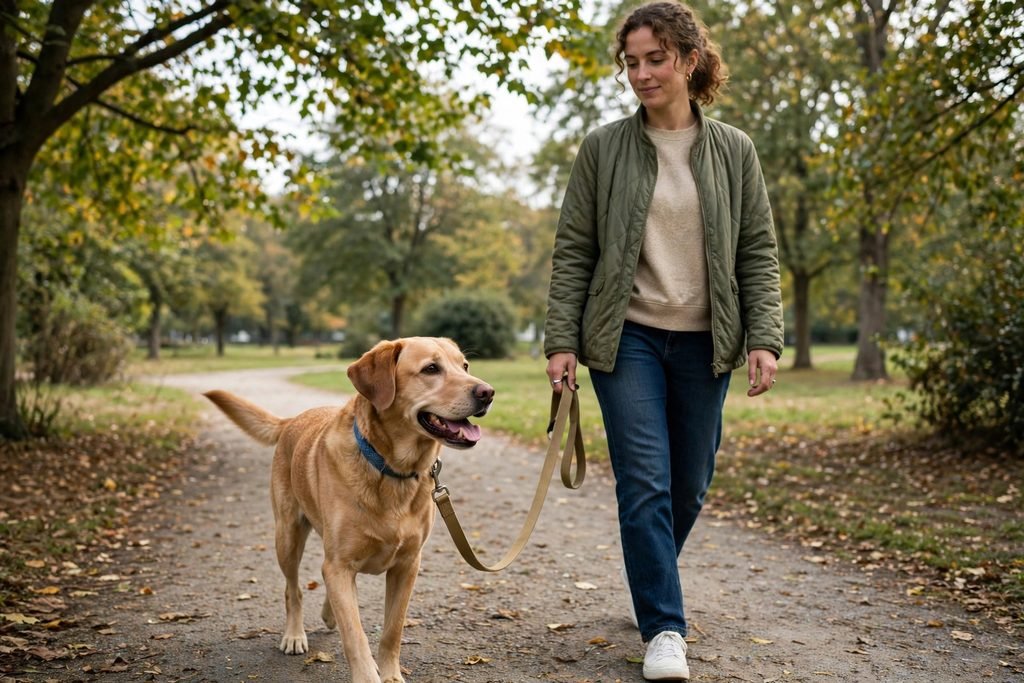
Frustration barking happens when a dog wants something but cannot reach it. Common examples include barking at another dog from behind a fence, barking on a leash when it cannot greet a dog, or barking at a toy stuck under furniture.
You will often see pulling, whining, or pacing along with the bark. The dog is not necessarily angry. It is frustrated. For leash frustration, start training at a distance where your dog can stay calm, and reward calm behaviour before you move closer.
7. Pain, Age, and Medical Reasons
Sometimes barking increases for a medical reason. Older dogs may bark more at night due to confusion or hearing loss. A dog in pain may bark, whine, or become restless, especially when touched in a certain spot.
This is an important rule. If barking starts suddenly, gets much worse in a short time, or comes with loss of appetite, limping, house accidents, or confusion, talk to your vet first. Training will not fix pain, and ruling out a health issue saves time and stress.
Why Does My Dog Bark at Nothing?
When owners ask why do dogs bark at nothing, the answer is usually that they hear or smell something you missed. In most cases, your dog is not barking at nothing. It is barking at something you cannot hear or see as clearly.
Dogs hear higher frequencies than humans, and their sense of smell is far stronger. A distant siren, a neighbour’s dog, or a sound from another room can be enough to trigger barking.
At night, the house is quieter, so small sounds stand out more. That is why many dogs bark at nothing at night. White noise, a fan, or soft background music can help reduce sudden sounds, but it is not a replacement for training if barking is frequent.
If your dog barks at the window, try limiting the view for a while. Close curtains, use frosted film on the lower part of the window, or move your dog’s bed away from the front of the house. Less visual stimulation often means less barking while you work on training.
How to Stop Excessive Barking at Home
Once you understand why do dogs bark, you can choose the right response instead of guessing.You do not need harsh tools or shouting to help your dog bark less. You need consistency, patience, and a plan that matches the cause.
Step 1: Find the trigger. Keep a simple note for three days. Write down the time, place, trigger, and how long barking lasts. Patterns will appear quickly. For example, most barking may happen at the front window between 5 pm and 7 pm, when people walk past after work.
Step 2: Manage the environment. While you train, make barking harder to practise. Close curtains, use a baby gate to limit access to the front door, play soft background noise, and give puzzle toys during busy times. Management is not cheating. It gives your dog a chance to succeed while learning.
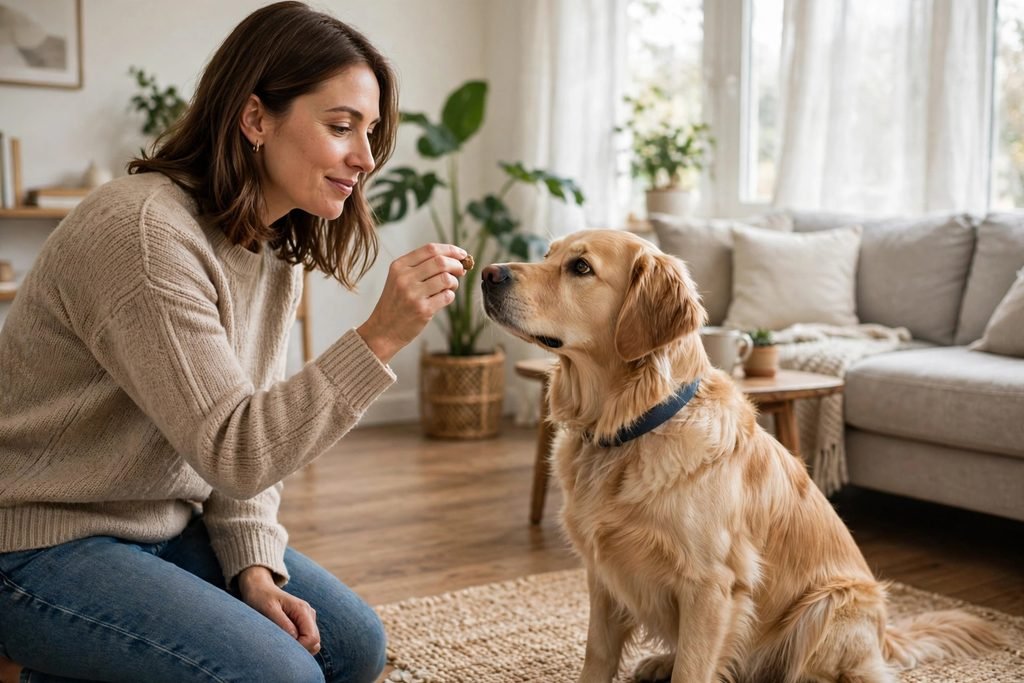
Step 3: Teach the “Quiet” cue. Let your dog bark three or four times. Say “Quiet” in a calm, clear voice. Do not shout. Hold a small, tasty treat near your dog’s nose. Most dogs will stop barking to sniff. The moment your dog is quiet, say “Yes” and give the treat. Repeat in short sessions, five to ten minutes at a time. Gradually wait longer before you reward, from two seconds, to five seconds, then ten seconds.
Step 4: Teach an alternative behaviour. Instead of only telling your dog what not to do, teach what to do instead. For example, practise this sequence. Doorbell rings. You guide your dog to its mat. You reward calm waiting. Then you open the door. Over time, your dog learns that the doorbell means “go to your mat,” not “bark at the door.”
Step 5: Meet daily needs first. No training plan works well if your dog is bored, under exercised, or stressed. Aim for daily walks, play, sniffing, training, and rest. Work on one behaviour at a time. Trying to fix everything in one week usually leads to frustration for both of you.
What Not to Do
Do not shout at your dog to be quiet. To your dog, shouting can sound like you are barking along, which can increase excitement. Do not use punishment based tools as a first step, such as yelling or hitting. Fear based methods can increase anxiety and make barking worse, especially in fearful dogs.
Do not reward barking by accident. If your dog barks for food, do not feed it while it is barking. Wait for quiet, then feed. Do not expect overnight results. Most owners see real progress in two to four weeks with consistent daily practice, but some dogs need longer, especially if anxiety is involved.
When to Get Professional Help
Talk to your vet or a certified, reward based dog trainer or behaviourist if barking started suddenly, your dog shows signs of pain or major behaviour change, barking comes with aggression or intense fear, your dog cannot settle even after weeks of consistent training, or separation anxiety is severe. A professional can observe your dog at home, identify triggers you may have missed, and build a tailored plan. This is especially important for aggression and reactivity, where safety comes first.
Conclusion
So, why do dogs bark? Because barking is communication. It can mean excitement, alertness, fear, boredom, frustration, attention seeking, or pain. Once you know the reason, you can choose the right response, instead of guessing.
Start small. Find the trigger. Manage the environment. Teach “Quiet” and a calm alternative. Meet your dog’s daily needs. Be patient and consistent, and reward quiet behaviour every time you see it. Your dog is not trying to be difficult. It is trying to tell you something.
If this guide helped, explore more practical training guides on TrainPaw, starting with puppy training, crate training, and leash training. And if your dog’s barking has changed suddenly or worries you, speak to your vet first.
Why do dogs bark for no reason?
Dogs rarely bark for no reason. They may hear or smell something you missed, such as a distant dog or a siren. If barking seems random, check for boredom, anxiety, or a medical issue, and keep a short trigger diary for a few days.
How do I get my dog to stop barking at other dogs?
Start at a distance where your dog can stay calm. Reward calm behaviour, then slowly reduce the distance over days or weeks. Do not force greetings, and do not punish barking, as this can increase fear. If lunging or aggression is involved, work with a certified trainer.
Why is my dog barking at nothing at night?
At night, the house is quiet, so small sounds stand out more. Dogs may also bark due to anxiety, pain, or confusion, especially older dogs. Try white noise and a comfortable sleeping area, and get a vet check if night barking starts suddenly or gets worse.
How can I stop excessive barking at home?
First, find the trigger. Then manage the environment, teach the "Quiet" cue with small treats, and give your dog daily exercise and mental enrichment. Be consistent, and reward quiet behaviour instead of barking.